

What is SEO in Marketing
“What is SEO in marketing?” This question often comes up, and here’s the answer: SEO in marketing refers to optimizing your website and online content to improve its visibility and ranking on search engine results pages (SERPs). It is a fundamental strategy in digital marketing aimed at increasing a website’s potential to attract visitors from natural search results.
Essentially, it’s about ensuring that your website appears higher up in search engine results when people search for relevant keywords related to your business, products, or services. This increased visibility can lead to more organic traffic to your website, ultimately helping to attract potential customers and drive conversions.
Understanding The Basics
SEO, or Search Engine Optimization, focuses on optimizing your website and online content to enhance visibility and ranking on search engine results pages (SERPs).
So, “What is SEO in marketing terms?” It’s the strategic practice of making your website more visible when people search for products or services related to your business on search engines. At its core, SEO is about understanding how search engines function and what people are searching for online. This insight allows you to craft content that meets user needs and ranks well in search results, ultimately driving organic traffic and boosting conversions.
Fundamentals of SEO:
- Keywords: Keywords are the foundation of SEO. These are the words and phrases that people type into search engines when looking for information, products, or services. By researching and targeting relevant keywords in your content, you can increase your chances of ranking higher in search results.
- On-Page Optimization: On-page optimization involves optimizing elements on your website itself to improve its visibility to search engines. This includes things like optimizing meta tags (SEO title tags, meta descriptions), using keywords in your content, optimizing images, improving site speed, and ensuring mobile-friendliness.
- Off-Page Optimization: Off-page optimization refers to activities that take place outside of your website but still impact its search engine rankings. This includes building backlinks from other reputable websites, social media engagement, and online reputation management.
- Content Quality: High-quality, relevant content is a must for SEO success. Search engines prioritize content that is valuable, informative, and engaging to users. This includes creating original, well-written content that addresses the needs and interests of your target audience.
Evolution of SEO:
SEO has evolved significantly over the years in response to changes in search engine algorithms, technology advancements, and shifts in user behavior. Some key milestones in the evolution of SEO include:
- Early Days: In the early days of the internet, SEO was primarily focused on keyword stuffing and manipulating search engine algorithms to rank higher in search results. This led to a proliferation of low-quality, spammy content.
- Rise of Content Quality: Over time, search engines like Google began placing greater emphasis on content quality and relevance. This shift towards quality content marked the beginning of a more user-centric approach to SEO.
- Mobile Optimization: With the surge in mobile device usage, optimizing websites for mobile has become crucial. Google’s mobile-first indexing now prioritizes mobile versions of websites in search results, underscoring the importance of mobile optimization for SEO.
- Algorithm Updates: Search engines frequently update their algorithms to enhance search quality and deter spam. Major updates like Google’s Panda, Penguin, and Hummingbird have significantly influenced SEO strategies by rewarding high-quality content and penalizing practices such as keyword stuffing and link spam.
- User Experience: In recent years, user experience has become a key focus of SEO. Search engines prioritize websites that provide a positive user experience, including fast loading times, easy navigation, and relevant content. Factors like site speed, mobile-friendliness, and dwell time now play a significant role in search rankings.
Ready to take your SEO to the next level? Meet Anup Joshi, your SEO expert!
What Does SEO in Marketing Actually Mean?
Think of SEO Marketing as your secret weapon. By strategically using search engine optimization (SEO) techniques, you can significantly enhance your company’s online visibility and pull more organic traffic to your website. Imagine SEO marketing as a powerhouse working tirelessly behind the scenes to make sure your website stands out every time someone searches for products or services related to your business. This approach not only boosts your visibility but also connects you directly with potential customers, enhancing their experience and bringing them closer to what you offer.
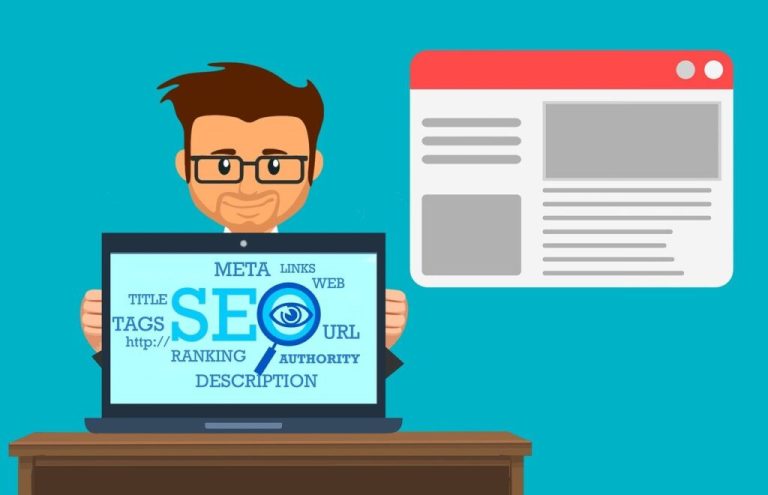
Correlation of SEO and Marketing
Let’s discuss the dynamic duo of SEO and marketing. They’re like peanut butter and jelly—perfectly paired to create a winning combination in the world of digital strategy.
Understanding the Relationship:
- Symbiotic Relationship: While marketing focuses on promoting products or services, SEO ensures that your message reaches the right audience at the right time.
- Visibility and Reach: Marketing is all about getting your message out there and attracting customers. Therefore, SEO in digital marketing plays a crucial role in this by improving your website’s visibility in search engine results, allowing you to reach a wider audience and drive more traffic to your site.
- Brand Awareness: SEO isn’t just about ranking higher in search results—it’s also about building brand awareness and credibility. By appearing prominently in search results for relevant keywords, you can enhance your brand’s visibility and reputation, making it more likely that potential customers will trust and engage with your business.
- User Experience: Both SEO and marketing are ultimately focused on providing a positive experience for users. SEO ensures that your website is optimized for search engines and user-friendly, while marketing focuses on creating compelling content and messaging that resonates with your target audience.
- Data-Driven Insights: Marketing and SEO both rely on data to inform decisions and measure success. By analyzing metrics like website traffic, conversion rates, and keyword rankings, you can gain valuable insights into the effectiveness of your marketing campaigns and SEO efforts, allowing you to refine your strategies for better results.
Want to see how SEO can transform your business? Contact us for a free SEO consultation today!
Why SEO Matters in Marketing?
When you optimize your website with SEO in marketing strategies, you’re not just tweaking minor details; you’re enhancing your entire digital presence. This means your website doesn’t just exist online—it thrives. By leveraging SEO, you ensure that your business pops up right when potential customers are actively seeking what you offer. This strategic visibility increases your traffic, boosts your credibility, and ultimately drives conversions.
Types of SEO in Marketing
From on-page optimization to off-page SEO, there are 6 types of SEO in digital marketing:
- On-Page SEO
- Off-Page SEO
- Technical SEO
- Local SEO
- Voice Search SEO
- E-commerce SEO
1. On-Page SEO:
This is where the magic happens on your own turf. On-page SEO involves optimizing elements directly on your website to make them more appealing to search engines. Think keyword-rich content, snappy meta tags, and squeaky-clean HTML code.
2. Off-Page SEO:
Now, let’s venture beyond your website’s borders. Off-page SEO is all about building relationships and authority with other websites. This includes earning backlinks from reputable sites, engaging with influencers, and establishing your brand as a trusted source of information in your industry. It’s like networking on the World Wide Web.
3. Technical SEO:
Time to roll up your sleeves and get technical. Technical SEO focuses on the nitty-gritty details of your website’s infrastructure to ensure it’s running like a well-oiled machine. This includes things like site speed, mobile-friendliness, crawlability, and indexability.
4. Local SEO:
Local SEO is your ticket to getting noticed by folks in your neighborhood. This involves optimizing your website and online presence to rank higher in local search results. Think Google My Business listings, local citations, and geo-targeted keywords. It’s like putting up a neon sign that says, “We’re right around the corner!”
5. Voice Search SEO:
Hey Alexa, hey Siri—this is also a type of SEO that’s called as Voice Search. With the rise of smart speakers and virtual assistants, voice search SEO is becoming increasingly important. This involves optimizing your content to answer voice search queries and cater to the conversational nature of voice search. It’s like having a chat with your website.
6. E-commerce SEO:
Do you have an online store? E-commerce SEO is your bread and butter. This type of SEO focuses on optimizing product pages, category pages, and other elements of your e-commerce site to attract more traffic and drive sales. It’s like putting your products on the digital shelf and making sure they fly off it.
Looking to boost your SEO strategy? Check out our range of SEO services!
So, How Does SEO in Marketing Work?
So, how does SEO in marketing actually boost your online presence? It starts with understanding your audience and what they’re searching for. By incorporating the right keywords into your website’s content, you’re speaking directly to their needs and interests. SEO in marketing doesn’t just scatter words across web pages; it strategically places them to act like beacons, guiding potential customers to your site. This method involves tweaking your website’s structure and content so search engines can easily understand and favor it, ensuring you’re not just visible but prominent in search results. It’s about making sure that when your customers are looking, they find you first—not your competitors.

Measuring SEO Success
How do you know if your SEO efforts are paying off? It’s all about tracking the right metrics. By monitoring key performance indicators such as organic traffic, search rankings, and conversion rates, you get a clear picture of how well your SEO strategies are working. It’s not just about seeing higher numbers; it’s about understanding what those numbers mean for your business. Regularly checking these metrics lets you see how effectively you’re reaching your target audience and how they interact with your content. This data doesn’t just measure success; it guides your next moves, helping you fine-tune your approach and capture even more opportunities.
Discover successful case studies from a leading SEO company here!
Key Performance Indicators (KPIs) for SEO
When it comes to measuring the success of your SEO efforts, keep an eye on these key performance indicators:
- Organic Traffic: The number of visitors coming to your website from organic search engine results.
- Keyword Rankings: Where your website ranks in search engine results for specific keywords and phrases.
- Conversion Rate: The percentage of visitors who take a desired action on your website, such as making a purchase or filling out a contact form.
- Bounce Rate: The percentage of visitors who leave your website after viewing only one page.
- Click-Through Rate (CTR): The percentage of people who click on your website’s link in search engine results.
Tools and Software for Tracking SEO Progress
To effectively monitor and track your SEO progress, consider using these tools and software:
- Google Analytics: A powerful and free tool that provides detailed insights into your website’s traffic, user behavior, and conversion metrics.
- Google Search Console: Another free tool from Google that helps you monitor and maintain your website’s presence in Google’s search results. It provides valuable data on your website’s performance in search, including impressions, clicks, and click-through rates.
- SEMrush: A comprehensive SEO tool that offers features such as keyword research, site auditing, backlink analysis, and competitor analysis.
- Ahrefs: A powerful SEO tool that provides insights into your website’s backlink profile, keyword rankings, and competitor analysis.
- Moz: Offers a suite of SEO tools, including keyword research, link building, site auditing, and rank tracking.
Common Challenges In SEO Marketing And How To Overcome Them
Navigating the complex world of SEO marketing can feel like navigating a jungle without a map. Here are some common SEO challenges and strategies to help you overcome them:
1. Fierce Competition:
In the competitive wilderness of the internet, everyone is vying for the top spot in search results, making it tough for you to stand out. To overcome this, focus on creating high-quality content that distinguishes you from others. Offer unique insights, solve common problems, and provide novel solutions. By delivering something truly valuable, you can carve out your own niche in the digital landscape.
2. Algorithm Updates:
Search engine algorithms constantly change, much like chameleons adapting to new environments. To stay ahead, monitor algorithm updates and industry trends closely. Emphasize building a solid foundation with high-quality content and ethical SEO practices rather than seeking quick fixes. This approach ensures your SEO efforts are sustainable over time.
3. Technical Issues:
Technical issues like broken links and slow load times can undermine your SEO efforts. To tackle these challenges, conduct regular website audits to identify and fix such issues. Invest in tools that monitor your website’s performance and highlight areas for improvement. Always keep your site updated with the latest technology, ensuring it’s mobile-friendly, user-friendly, and optimized for search engines.
4. Content Quality:
In today’s information-saturated environment, creating standout content is challenging. To rise above, focus on crafting valuable, informative, and engaging content. Start with thorough keyword research to pinpoint in-demand topics, then develop content that answers questions, solves problems, or offers unique insights. Enhance engagement by incorporating multimedia elements like videos, infographics, and interactive tools to keep your audience interested and returning for more.
5. Building Backlinks:
Earning high-quality backlinks is vital for SEO but challenging. To overcome this, create link-worthy content and actively engage with influencers, industry experts, and niche websites. Promote your content, build relationships, guest post on relevant sites, and participate in collaborations to naturally expand your reach and secure backlinks.
6. Patience and Persistence:
SEO is a marathon, not a sprint. It requires time, effort, and patience. To navigate this, stay dedicated to your SEO strategy, set realistic goals, and track progress. Celebrate small wins and remain consistent results will follow over time.
Facing challenges with SEO? Find your solutions with JO Marketing today!
Summing Up
SEO marketing boosts your online visibility and draws the right audience to your website. By honing in on key elements like keyword research, on-page and off-page optimization, and technical improvements, you can ascend in search rankings and increase organic traffic. Despite challenges like tough competition and ever-changing algorithms, staying informed, crafting top-notch content, and connecting with influencers will help you navigate these hurdles. So, get ready to roll up your sleeves and elevate your website to new heights with the strategic power of SEO marketing.
FAQs on What is SEO in Marketing:
SEO in content marketing refers to optimizing your content to improve its visibility and ranking in search engine results, ultimately attracting more organic traffic to your website.
An example of SEO is optimizing a website’s meta tags, headings, and content to include relevant keywords that users are likely to search for.
The primary purpose of SEO is to increase a website’s visibility in search engine results, attract more organic traffic, and ultimately drive conversions and sales.
The time it takes to see results from SEO can vary depending on factors such as the competitiveness of your industry, the quality of your content, and the effectiveness of your optimization efforts. In general, it can take several months to start seeing significant improvements in search engine rankings and traffic.
Yes, SEO can boost sales or leads by attracting targeted traffic and enhancing your website’s visibility in search results. By optimizing your site for relevant keywords and offering valuable content, you can draw in potential customers who are searching for what you offer.